Why Do You Gain Weight in Ramadan Even While Fasting? Practical Reasons & Fixes with Dr. Shaimaa Hassan
Many people gain weight in Ramadan “despite fasting.” Fasting reduces eating hours, but weight change still depends on total calories, food quality, timing, sleep, and movement. This article explains the most common reasons Ramadan weight gain happens—and simple steps you can apply immediately. Online clinical nutrition consultations are available with Dr. Shaimaa Hassan.

By: Dr. Shaimaa Hassan
1) Fasting doesn’t automatically mean weight loss
Fewer meals doesn’t always mean fewer calories. In Ramadan, two large meals (iftar + suhoor) plus sweets, fried foods, sugary drinks, and late-night snacking can easily create a calorie surplus—even if you “eat less often.”
2) The most common reasons for Ramadan weight gain
A) Breaking the fast too fast and too heavy
After many fasting hours, appetite spikes. If you start with fried items + lots of bread/rice + desserts, you may overshoot your needs before your body signals fullness.
B) Hidden calories in “small things”
Samosas, fried appetizers, nuts in large portions, and Ramadan desserts can add hundreds of calories quickly.
C) Sugary drinks
Juices and sweetened drinks are one of the biggest reasons people gain weight in Ramadan because they add calories without keeping you full.
D) Late nights + poor sleep
Less sleep can increase cravings and reduce self-control, especially toward carbs and sweets.
E) Less daily movement
If activity drops during Ramadan, your calorie burn drops too—so the same food can lead to gain.
F) Continuous snacking between iftar and suhoor
“Just a little” repeated many times becomes a lot.
3) Practical fixes that work
Fix 1: Start your iftar strategically
Water first, then salad or a light soup. Pause 5–10 minutes before the main plate to avoid impulsive overeating.
Fix 2: Build a balanced plate
-
Half: vegetables/salad
-
Quarter: protein
-
Quarter: carbs (measured)
This keeps you full and reduces uncontrolled snacking.
Fix 3: Desserts are not “forbidden,” but scheduled
Limit desserts to 2–3 times/week in small portions, preferably not on an empty stomach.
Fix 4: Cut liquid sugar
Swap sugary drinks for water, lightly sweetened or no-sugar options, and keep caffeine without added sugar whenever possible.
Fix 5: Make suhoor protein-based
Protein + fiber + a small amount of healthy fat helps control hunger and stabilizes energy. Examples: yogurt + oats + fruit, or eggs + vegetables + appropriate bread.
Fix 6: Move daily
Even 20–30 minutes of walking after taraweeh makes a big difference.
4) When you need a personalized plan
If you have insulin resistance/diabetes, fatty liver, IBS, PCOS—or if you gain weight every Ramadan despite trying—general tips may not be enough. A tailored plan (portions, timing, alternatives) is usually the missing piece.
According to the profile, Dr. Shaimaa Hassan provides online clinical nutrition consultations, including weight management and therapeutic nutrition support.
For a clear Ramadan plan (lose weight or maintain without gaining), contact:
-
WhatsApp booking/inquiries: 01040900880
-
Direct contact: 01022677005
Send: age + height + weight + goal + any chronic condition + your Ramadan routine.
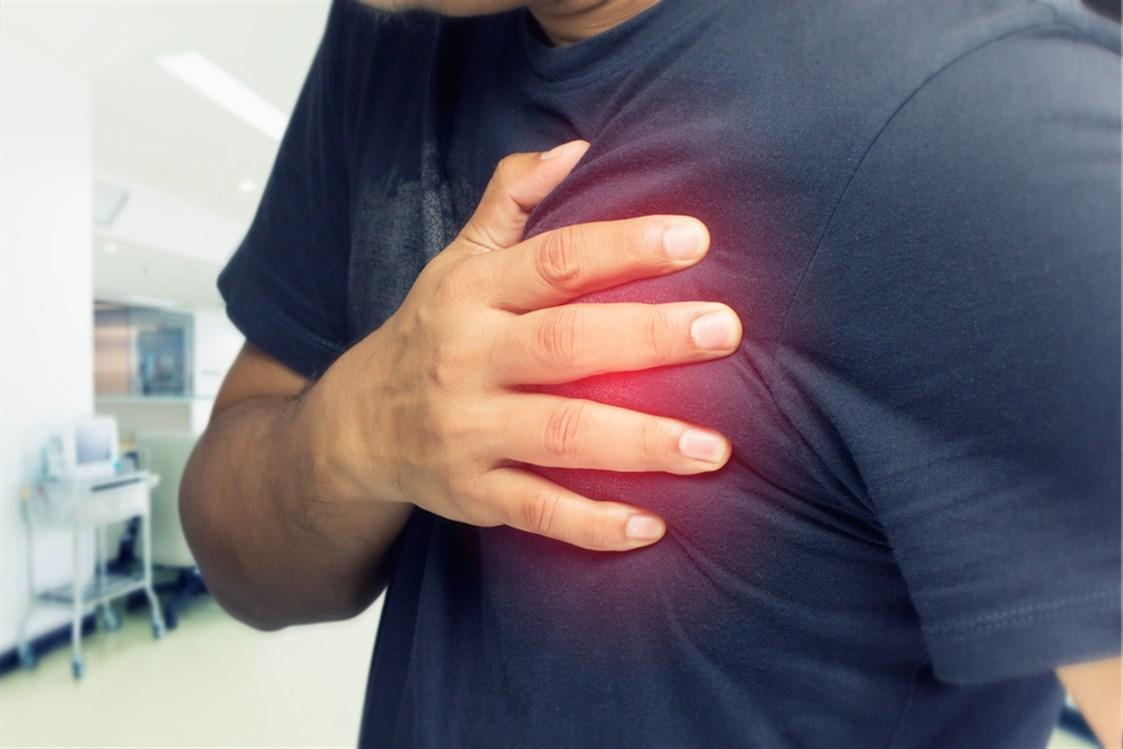
The difference between angina and heart attack is one of the most concerning topics for many people, as both conditions are associated with chest pain and may seem similar at first. However, there is a major difference in severity, cause, and treatment.

An ECG (Electrocardiogram) is one of the most important medical tests used to evaluate heart health and detect abnormalities in heart rhythm or heart muscle function.

Choosing the best diet for heart patients is one of the most important steps to maintain heart health and reduce the risk of complications such as heart attacks and high blood pressure. Diet does not only affect weight but also plays a major role in improving heart and blood vessel function.

Chest pain is one of the symptoms that immediately causes concern, as it may be associated with serious conditions like heart disease. However, not all chest pain is dangerous—it can sometimes result from simple causes such as muscle strain or digestive issues.