Symptoms, Causes of Lung Cancer, and Modern Diagnostic Methods with Dr. Mahmoud El-Degwy ⭐
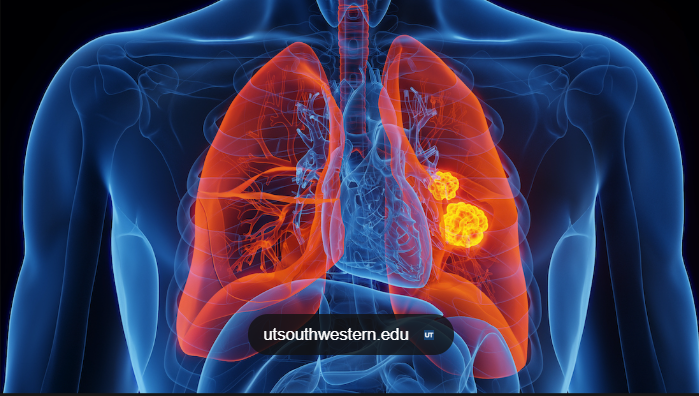
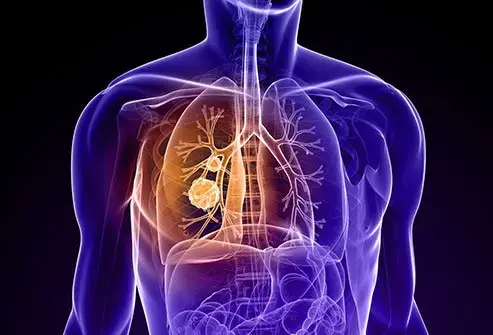
Lung cancer is considered one of the most serious diseases that can develop silently in its early stages without clear symptoms. This makes awareness of its early warning signs and causes extremely important, especially for individuals exposed to polluted environments or those with a history of smoking. Thanks to major medical advancements, modern diagnostic methods have become more accurate and faster, significantly improving early detection and increasing treatment success rates.
🫁 Lung Cancer Symptoms You Should Not Ignore
Lung cancer symptoms vary from person to person depending on the stage of the disease, but there are common warning signs that should not be ignored, especially if they persist over time.
One of the most common symptoms is a persistent cough that does not improve and may sometimes be accompanied by coughing up blood. Shortness of breath is another key symptom, particularly during activities that previously caused no issues.
Patients may also experience chest pain that worsens with breathing or coughing, along with hoarseness or noticeable voice changes. Other symptoms include unexplained weight loss, constant fatigue, and recurring respiratory infections such as pneumonia.
Experiencing one or more of these symptoms does not necessarily mean lung cancer, but it does require consulting a specialist for proper evaluation.
⚠️ Causes and Risk Factors of Lung Cancer
Smoking is the leading cause of most lung cancer cases, as cigarette smoke contains harmful chemicals that damage lung cells over time.
The risk is not limited to smokers only, as people exposed to secondhand smoke are also at risk. Environmental factors also play a significant role, including exposure to air pollution or hazardous chemicals in the workplace.
Other contributing factors include a family history of lung cancer, exposure to radiation, and certain chronic lung diseases.
🔬 Modern Diagnostic Methods for Lung Cancer
With advancements in medical technology, diagnosing lung cancer now relies on a range of precise tools that help detect the disease and determine its type and stage accurately.
Diagnosis usually begins with a chest X-ray to identify any abnormal changes. If there is suspicion, a CT scan is performed, which is one of the most important diagnostic tools as it provides detailed images of the lungs, helping determine the size and location of the tumor.
Advanced imaging techniques such as MRI and PET scans are also used to detect whether the cancer has spread to other parts of the body.
A biopsy is one of the most critical steps in diagnosis, where a tissue sample is taken and analyzed in a laboratory to identify the type of cancer cells. This plays a key role in determining the most appropriate treatment plan.
👨⚕️ The Role of Dr. Mahmoud El-Degwy in Diagnosis and Treatment
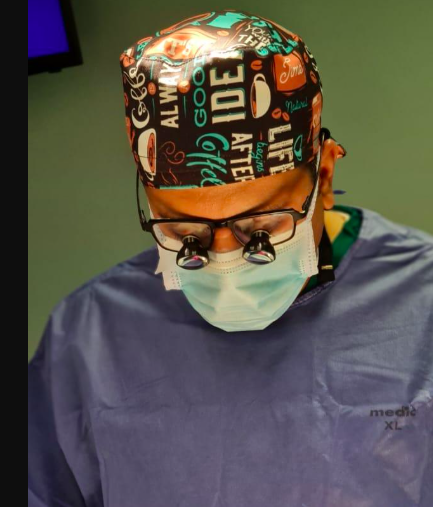
Dr. Mahmoud El-Degwy is one of the leading specialists in diagnosing and treating lung cancer in Mohandessin. He utilizes the latest medical technologies and modern diagnostic approaches to accurately assess each case.
He develops personalized treatment plans tailored to each patient’s condition and cancer stage, with continuous follow-up to ensure the best possible outcomes. He also emphasizes the importance of early detection, which is the most critical factor in improving recovery chances and reducing complications.
🎯 Conclusion
Lung cancer is a serious condition that requires awareness of its symptoms and causes, along with prompt medical consultation when warning signs appear. With modern diagnostic technologies and specialized medical expertise, treatment outcomes have improved significantly.
Focusing on early detection, avoiding risk factors, and choosing a qualified specialist are the most important steps toward maintaining lung health and overall well-being.