Prevention of Heart Disease | How to Keep Your Heart Healthy for Life
Maintaining heart health does not depend only on treatment, but mainly on prevention before problems occur. With the increasing prevalence of heart disease across all age groups, it has become essential to understand the methods of preventing heart disease and apply them in daily life to significantly reduce risks.
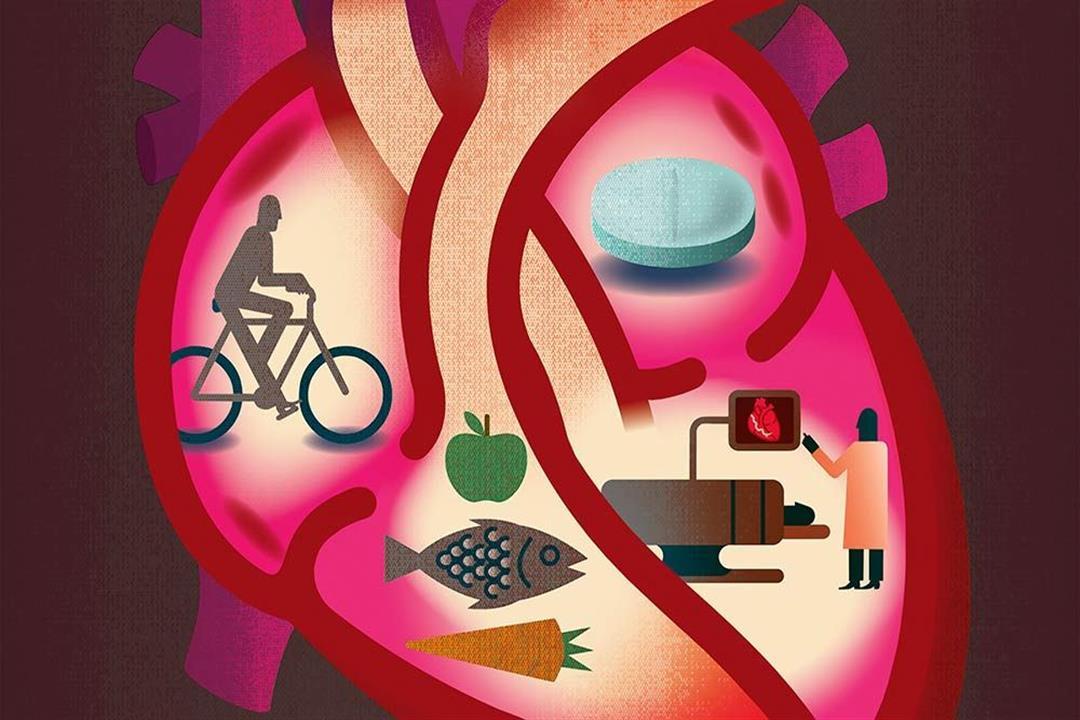
Prevention of Heart Disease | How to Keep Your Heart Healthy for Life
Introduction
Maintaining heart health does not depend only on treatment, but mainly on prevention before problems occur. With the increasing prevalence of heart disease across all age groups, it has become essential to understand the methods of preventing heart disease and apply them in daily life to significantly reduce risks.
What Does Heart Disease Prevention Mean?
Prevention means reducing the factors that lead to heart weakness, artery blockage, or high blood pressure by changing lifestyle habits before disease develops.
In other words, the goal is not to wait for the problem, but to prevent it from happening in the first place.
How Can You Protect Your Heart?
First: Choose a Heart-Healthy Diet
Diet plays a direct role in heart health. Key recommendations include:
Reducing saturated fats and fast food
Focusing on fresh foods
Eating fish twice a week
Increasing fiber such as vegetables and whole grains
A healthy diet helps reduce fat buildup in the arteries and maintains proper blood flow.
Second: Physical Activity
Sedentary lifestyle is one of the most harmful factors for the heart. Engaging in activities such as walking, swimming, or running helps:
Strengthen the heart muscle
Improve blood circulation
Reduce bad cholesterol
Third: Maintain a Healthy Weight
Excess weight puts additional strain on the heart and is directly linked to high blood pressure and diabetes. Even modest weight loss can significantly improve heart health.
Fourth: Avoid Smoking
Smoking is one of the most damaging factors for heart health because it:
Damages blood vessels
Reduces oxygen levels in the blood
Increases the risk of blood clots
Quitting smoking is a crucial step in prevention.
Fifth: Reduce Stress and Mental Pressure
Mental health has a direct impact on the heart. Chronic stress may lead to:
Increased heart rate
High blood pressure
Strain on the heart muscle
That is why good sleep and relaxation are very important.
Sixth: Regular Medical Checkups
Routine tests such as blood pressure and cholesterol screening help detect problems early before they develop further.
Seventh: Reduce Salt and Sugar Intake
Excess salt increases blood pressure, while high sugar intake affects weight and blood vessels health.
Who Is at Higher Risk of Heart Disease?
Some individuals require more attention to prevention, including:
People with a family history of heart disease
Diabetic patients
Individuals with high blood pressure
Smokers
Early Warning Signs You Should Not Ignore
Although prevention aims to avoid disease, some early signs may indicate a developing problem:
Chest pain or pressure
Shortness of breath
Irregular heartbeat
Unexplained fatigue
Conclusion
Heart disease prevention is not a single step but a set of daily habits that are simple yet highly effective. The earlier you start caring about your lifestyle, the lower your risk becomes.

Post-operative lymphatic drainage massage is a key step in recovery after cosmetic surgery. The number of sessions is not fixed and depends on each body condition. Dr. Ayman Essam in Nasr City explains how treatment plans are customized to reduce swelling and improve surgical results.

The best diet for pregnant women is one of the most important factors that directly affects the health of both the mother and the baby during pregnancy.

Calculating the due date is one of the most important concerns for pregnant women who want to know when they will meet their baby.

Many women experience a range of common pregnancy problems during pregnancy, which may be normal or require medical attention.