Pressure Ulcers: Causes, Symptoms, Treatment and Prevention | Complete Medical Guide by Dr. Mohamed Magdy Badr 01226218004
This article presents a comprehensive medical guide on pressure ulcers, explaining their causes, symptoms, and stages of progression, as well as the latest methods of treatment and prevention. It also highlights the role of Dr. Mohamed Magdy Badr in providing specialized medical care for pressure ulcers and chronic wounds in Heliopolis.
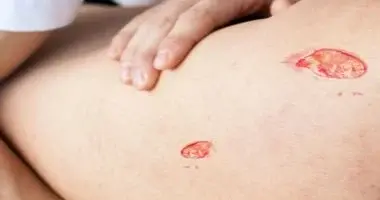
By: Dr. Mohamed Magdy
Pressure Ulcers: Causes, Symptoms, Treatment and Prevention | Complete Medical Guide by Dr. Mohamed Magdy Badr
Doctor: Mohamed Magdy Badr
📞 01226218004
📍 41 El Hegaz Street, next to El Tawheed & El Nour, above Etisalat Company, Heliopolis, Cairo, Egypt
Introduction
Pressure ulcers, also known as bed sores or pressure injuries, are common medical conditions affecting patients who are unable to move for long periods, such as ICU patients, elderly individuals, and those suffering from paralysis or neurological disorders.
These ulcers begin as simple skin redness but can progress into deep wounds affecting muscles and even bones if not treated properly and promptly.
This article provides a comprehensive overview of pressure ulcers, including causes, stages, symptoms, treatment options, and prevention methods, with specialized medical care by Dr. Mohamed Magdy Badr.
What Are Pressure Ulcers?
Pressure ulcers are damage to the skin and underlying tissues caused by prolonged pressure on a specific area of the body, which reduces blood flow and leads to tissue death.
Common affected areas include:
- Heels
- Lower back
- Hips
- Shoulders
- Back of the head
Causes of Pressure Ulcers
1. Prolonged Pressure
Long periods of lying or sitting without movement reduce blood circulation.
2. Immobility
Patients who cannot move independently are at higher risk.
3. Friction
Skin rubbing against surfaces or improper patient handling.
4. Moisture
Excess sweating or exposure to urine can irritate the skin.
5. Poor Nutrition
Lack of protein and vitamins weakens skin repair ability.
6. Chronic Diseases
Such as diabetes and poor blood circulation.
Stages of Pressure Ulcers
Stage 1
- Redness of the skin
- Skin does not blanch under pressure
- Pain or tenderness
Stage 2
- Superficial skin damage
- Partial skin loss
- Blisters or shallow wounds
Stage 3
- Deep wound reaching fat tissue
- Visible drainage
- Significant skin breakdown
Stage 4
- Severe deep wound
- Exposure of muscle or bone
- High risk of infection
Symptoms of Pressure Ulcers
- Pain in pressure areas
- Skin discoloration
- Foul odor in advanced cases
- Swelling or redness
- Wound discharge
Complications
- Severe bacterial infection
- Sepsis (blood infection)
- Tissue necrosis
- Delayed healing
- Surgical intervention may be required
Treatment of Pressure Ulcers
1. Pressure Relief
- Reposition patient every 2 hours
- Use special medical mattresses
2. Wound Care
- Proper wound cleaning
- Use of special dressings
- Debridement of dead tissue if needed
3. Medications
- Antibiotics for infection
- Pain relievers
- Healing ointments
4. Nutrition
- Increase protein intake
- Vitamin C and zinc supplements
5. Surgery
Advanced cases may require surgical cleaning or skin grafting.
Prevention of Pressure Ulcers
- Regular repositioning of the patient
- Keep skin clean and dry
- Use anti-pressure mattresses
- Proper nutrition
- Daily skin inspection
- Stay hydrated
When to See a Doctor?
- Persistent redness
- Non-healing wound
- Severe pain in pressure areas
- Signs of infection or pus
Role of the Doctor
- Accurate diagnosis of ulcer stage
- Creating a treatment plan
- Monitoring wound healing
- Preventing complications
- Providing home care instructions
Dr. Mohamed Magdy Badr
Dr Mohamed Magdy Badr is a specialist in wound care and pressure ulcer management, providing advanced medical care to accelerate healing and prevent complications.
📞 01226218004
📍 41 El Hegaz Street, next to El Tawheed & El Nour, above Etisalat Company, Heliopolis, Cairo, Egypt
Conclusion
Pressure ulcers are largely preventable conditions if proper care is provided from the beginning. Early medical intervention plays a crucial role in preventing complications and ensuring faster recovery.
It is always recommended to consult a specialist like Dr. Mohamed Magdy Badr for proper diagnosis and effective treatment using modern medical approaches.
The difference between angina and heart attack is one of the most concerning topics for many people, as both conditions are associated with chest pain and may seem similar at first. However, there is a major difference in severity, cause, and treatment.

An ECG (Electrocardiogram) is one of the most important medical tests used to evaluate heart health and detect abnormalities in heart rhythm or heart muscle function.

Choosing the best diet for heart patients is one of the most important steps to maintain heart health and reduce the risk of complications such as heart attacks and high blood pressure. Diet does not only affect weight but also plays a major role in improving heart and blood vessel function.

Chest pain is one of the symptoms that immediately causes concern, as it may be associated with serious conditions like heart disease. However, not all chest pain is dangerous—it can sometimes result from simple causes such as muscle strain or digestive issues.