Ozaki Technique for Aortic Valve Replacement Using Pericardial Tissue
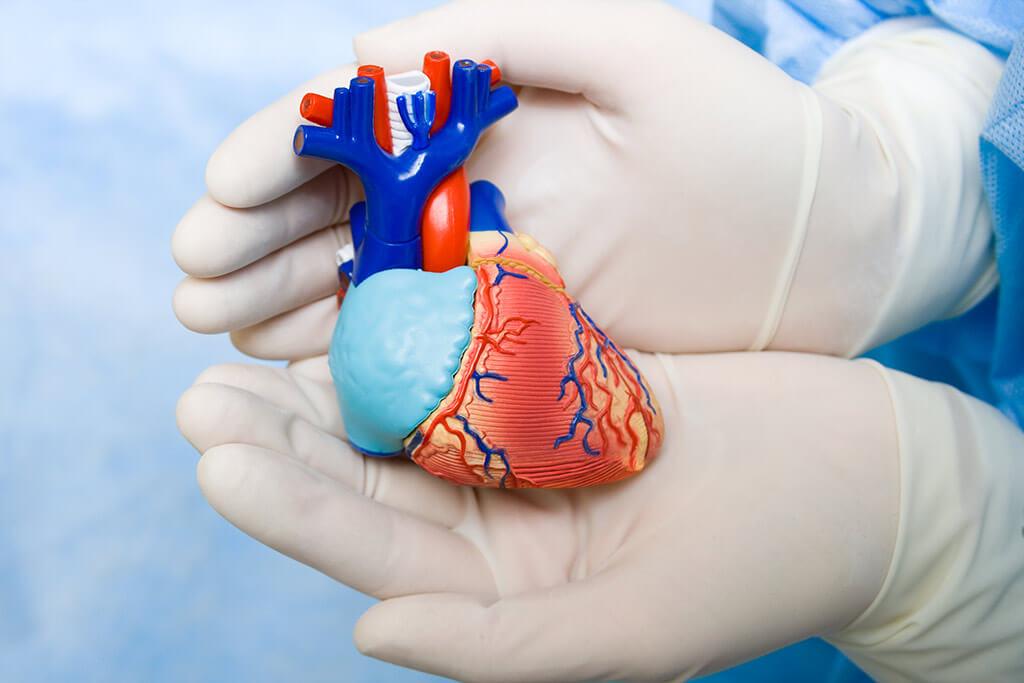
Aortic valve diseases are among the most common and serious heart conditions, especially when diagnosis is delayed or surgical intervention is postponed. With the significant advancement in open-heart surgery, modern techniques have emerged that have transformed the concept of traditional valve replacement. One of the most prominent of these innovations is the Ozaki technique
By: Dr. Mahmoud El-Degwy Ahmed
Ozaki Technique for Aortic Valve Replacement Using Pericardial Tissue
A Breakthrough in Cardiac Surgery Without the Need for Warfarin
Under the Supervision of Dr. Mahmoud El‑Degwy Ahmed
📞 01110691461
Introduction
Aortic valve diseases are among the most common and serious heart conditions, especially when diagnosis is delayed or surgical intervention is postponed. With the significant advancement in open-heart surgery, modern techniques have emerged that have transformed the concept of traditional valve replacement. One of the most prominent of these innovations is the Ozaki technique, which relies on reconstructing the aortic valve using the patient’s own pericardial tissue instead of artificial valves. This approach eliminates, in many cases, the lifelong need for anticoagulant medications such as warfarin.
This advanced technique offers a safe and effective solution for patients seeking a better quality of life after surgery, particularly when performed by an experienced cardiac surgeon such as Dr. Mahmoud El-Degwy Ahmed, who specializes in advanced cardiac surgical procedures.
What Is the Aortic Valve and Why Is It Important?
The aortic valve is one of the four main valves of the heart. It is located between the left ventricle and the aorta, and its primary function is to allow oxygenated blood to flow from the heart to the rest of the body while preventing backward flow into the heart.
Any dysfunction of this valve—whether stenosis or regurgitation—can lead to:
Reduced cardiac pumping efficiency
Increased strain on the heart muscle
Shortness of breath
Chest pain
Progressive heart failure in advanced cases
Aortic Valve Diseases Requiring Surgical Intervention
Common conditions that may necessitate aortic valve repair or replacement include:
Congenital or acquired aortic valve stenosis
Aortic valve regurgitation
Age-related valve calcification
Valve damage due to rheumatic fever
Failure of a previously replaced valve
Traditionally, treatment involved replacing the valve with a mechanical or tissue prosthesis, which often requires lifelong use of anticoagulants such as warfarin.
What Is the Ozaki Technique for Aortic Valve Replacement?
The Ozaki technique is an advanced cardiac surgical procedure that reconstructs the aortic valve using the patient’s own pericardial tissue (the membrane surrounding the heart), instead of implanting an artificial valve.
During the procedure, the following steps are performed:
Harvesting a section of the pericardium
Treating the tissue using a specialized medical process
Precisely shaping the valve leaflets
Reconstructing the aortic valve to restore normal function
The result is a natural, biologically compatible valve that closely mimics the function of a healthy native valve.
Why Is the Ozaki Technique Considered a Major Breakthrough in Cardiac Surgery?
The Ozaki technique represents a true revolution in valve surgery for several key reasons:
1️⃣ No Need for Warfarin
Eliminates lifelong anticoagulant therapy
Reduces the risk of bleeding or thrombotic complications
Provides greater freedom and flexibility in daily life
2️⃣ Excellent Biocompatibility
The valve is created from the patient’s own tissue
Minimal risk of immune rejection
Near-physiological valve performance
3️⃣ Long-Term Outcomes
High success rates
Significant improvement in cardiac function
Durable and stable valve performance over many years
4️⃣ Suitable for a Wide Range of Patients
Young adults
Elderly patients
Individuals unsuitable for artificial valves
Comparison Between the Ozaki Technique and Artificial Valves
| Feature | Ozaki Technique |
|---|---|
| Valve material | Autologous pericardial tissue |
| Need for warfarin | ❌ No |
| Bleeding risk | Very low |
| Quality of life | High |
| Biocompatibility | Excellent |
Who Are the Ideal Candidates for the Ozaki Technique?
The suitability of this procedure is determined by the cardiac surgeon, but it is particularly recommended for:
Patients with aortic valve disease without severe damage to the aortic root
Patients who cannot tolerate anticoagulant medications
Women planning pregnancy
Physically active individuals
Patients seeking a long-term solution without medication-related restrictions
Steps of the Ozaki Procedure
The surgery involves several precise stages, including:
General anesthesia and chest opening
Detailed evaluation of the aortic valve
Preparation of the pericardial tissue
Custom shaping of valve leaflets according to exact measurements
Reconstruction of the aortic valve
Functional testing before chest closure
Each step requires high surgical expertise and advanced technical skills.
Recovery After the Ozaki Procedure
Recovery following the Ozaki technique is characterized by:
Faster recovery compared to some traditional procedures
No complex long-term medication requirements
Noticeable improvement in breathing and physical activity
Typically:
Hospital stay ranges from 5 to 7 days
Return to normal daily activities within a few weeks
Regular follow-up to ensure optimal valve performance
Is the Ozaki Technique Safe?
Yes. When performed by an experienced cardiac surgeon, the Ozaki technique is considered one of the safest and most effective valve reconstruction procedures, offering:
High success rates
Low complication rates
Excellent short- and long-term outcomes
Dr. Mahmoud El-Degwy Ahmed’s Expertise in Aortic Valve Surgery
Dr. Mahmoud El-Degwy Ahmed has extensive experience in:
Open-heart surgery
Aortic valve repair and replacement
Advanced cardiac surgical techniques
Selecting the most appropriate treatment approach for each patient
His practice is based on:
Accurate diagnosis
Comprehensive patient evaluation
Adherence to the latest international surgical protocols
When Should You Consult a Specialist?
Do not wait for serious complications to develop. Consultation with a cardiologist or cardiac surgeon is strongly recommended if you experience:
Recurrent shortness of breath
Fainting or dizziness
Chest pain
Heart palpitations
Swelling of the legs or feet
Conclusion
The Ozaki technique for aortic valve replacement using pericardial tissue represents a major advancement in the treatment of aortic valve diseases. It combines safety, effectiveness, and an improved quality of life without the need for lifelong warfarin therapy.
With the advanced surgical expertise of Dr. Mahmoud El-Degwy Ahmed, patients can feel confident in receiving specialized, state-of-the-art cardiac care that restores heart function and improves overall well-being.
📞 For consultation and appointments: 01110691461
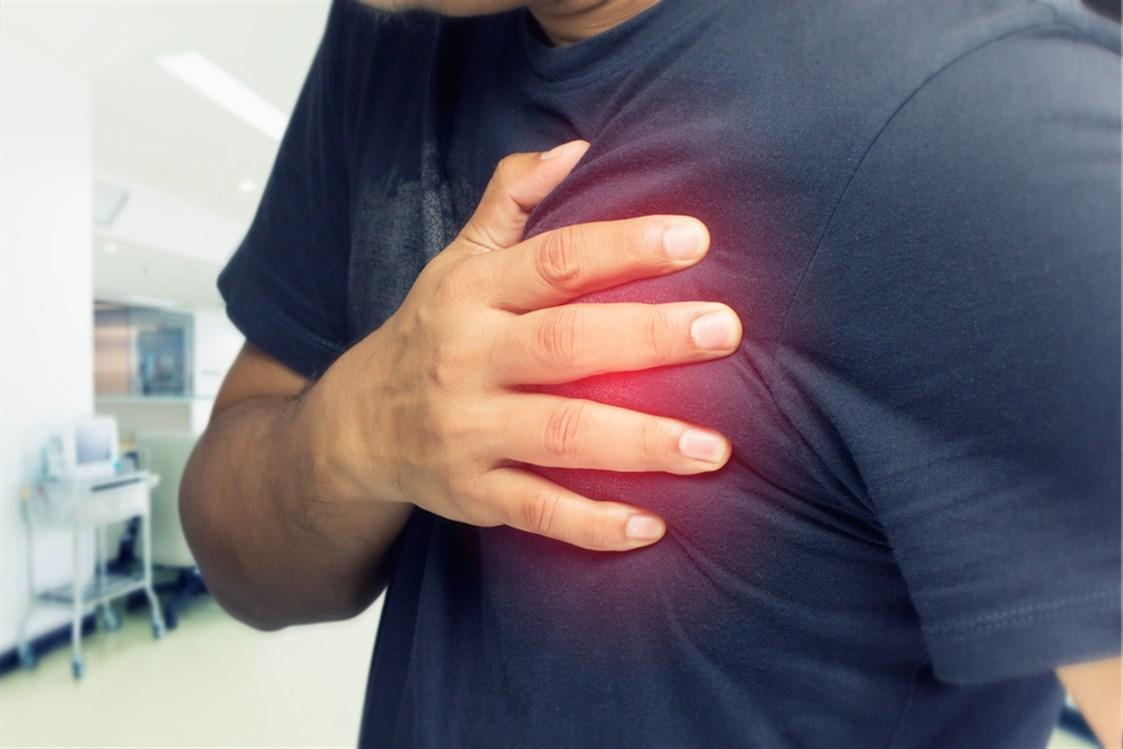
The difference between angina and heart attack is one of the most concerning topics for many people, as both conditions are associated with chest pain and may seem similar at first. However, there is a major difference in severity, cause, and treatment.

An ECG (Electrocardiogram) is one of the most important medical tests used to evaluate heart health and detect abnormalities in heart rhythm or heart muscle function.

Choosing the best diet for heart patients is one of the most important steps to maintain heart health and reduce the risk of complications such as heart attacks and high blood pressure. Diet does not only affect weight but also plays a major role in improving heart and blood vessel function.
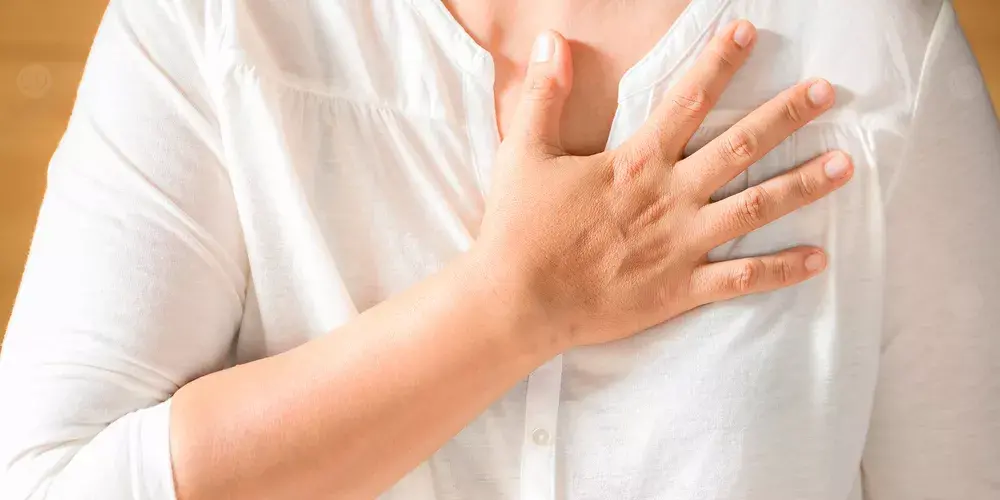
Chest pain is one of the symptoms that immediately causes concern, as it may be associated with serious conditions like heart disease. However, not all chest pain is dangerous—it can sometimes result from simple causes such as muscle strain or digestive issues.