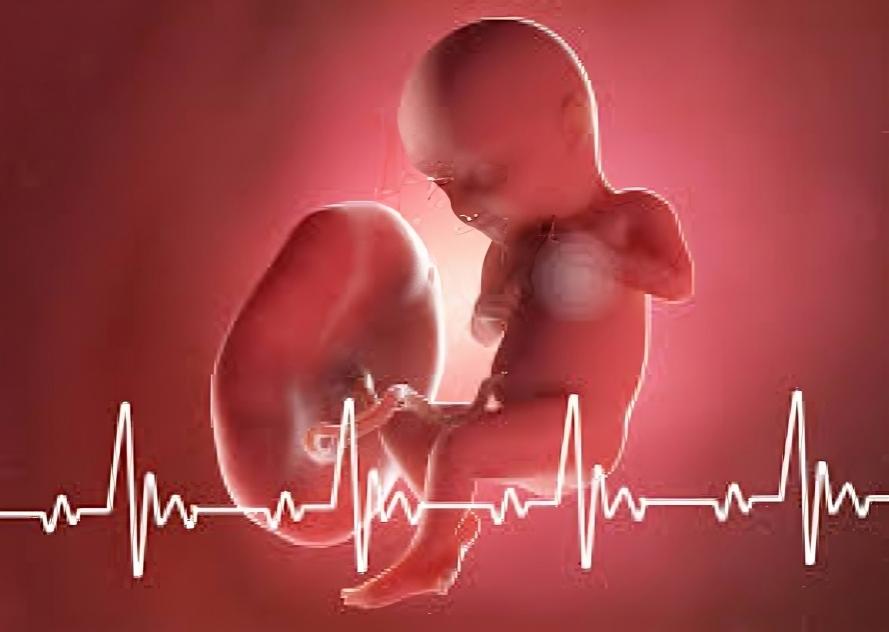
Fetal Heart Disease – Early Diagnosis and Specialized Care with Dr. Mahmoud El-Degwy Ahmed
يُعد مرض قلب الجنين من أخطر المشكلات التي قد تواجه المرأة خلال فترة الحمل، حيث يتطلب الأمر دقة عالية في التشخيص، وتعاونًا وثيقًا بين تخصصات متعددة لضمان سلامة الجنين والأم على حدٍ سواء.
By: Dr. Mahmoud El-Degwy Ahmed
🫀👶 Fetal Heart Disease – Early Diagnosis and Specialized Care with Dr. Mahmoud El-Degwy Ahmed
Fetal heart disease is one of the most serious conditions that can arise during pregnancy. It requires high diagnostic accuracy and close collaboration between medical specialties to ensure the safety of both mother and baby. Thanks to advances in modern medicine, many congenital heart defects can now be detected early, allowing for planned and precise medical intervention.
🔍 What Is Fetal Heart Disease?
Fetal heart disease refers to a group of structural or functional abnormalities that affect the baby's heart while still in the womb. These may include:
✳️ Defects in the walls separating the heart chambers, such as atrial or ventricular septal defects.
🔁 Malformations or malfunctions in heart valves, affecting blood flow.
🔄 Abnormalities in major arteries like the aorta or pulmonary artery.
🔀 Irregular heartbeat rhythms (arrhythmias), either too fast or too slow.
Some conditions may be minor and resolve after birth, while others require precise surgical intervention.
📊 Causes and Risk Factors
Several factors may contribute to the development of fetal heart disease, including:
📌 Family history of congenital heart defects.
📌 Maternal chronic conditions such as uncontrolled diabetes or autoimmune diseases like lupus.
📌 Use of certain medications or exposure to harmful chemicals during pregnancy.
📌 Viral infections during early pregnancy, such as rubella.
📌 Twin or multiple pregnancies, which increase the risk of heart abnormalities.
🔬 How Is It Diagnosed?
Today, early diagnosis is possible through fetal echocardiography, typically performed between the 18th and 24th week of pregnancy. This specialized ultrasound assesses the heart’s size, blood flow, valve movement, and any structural defects. In some cases, genetic testing may also be recommended to identify underlying syndromes or chromosomal issues.
🩺 What Happens After Diagnosis?
Discovering a heart defect in the fetus does not mean losing hope. Early detection allows the medical team to create a detailed care plan that may include:
📝 Coordinated prenatal care with a multidisciplinary team (cardiology, obstetrics, neonatology).
🏥 Selecting a hospital with a specialized neonatal intensive care unit (NICU).
🛠️ Preparing a surgical team if intervention is needed after birth.
👩⚕️ Providing psychological support and clear guidance for the parents.
👨⚕️ Dr. Mahmoud El-Degwy Ahmed – Best Pediatric Cardiologist in Egypt
Dr. Mahmoud El-Degwy Ahmed is a distinguished name in the field of pediatric and fetal cardiology in Egypt. With extensive experience in managing complex congenital heart conditions, he offers:
✅ Accurate diagnosis with state-of-the-art imaging tools.
✅ Regular fetal monitoring throughout the pregnancy.
✅ Collaboration with a specialized team to ensure safe delivery and effective treatment.
✅ Advanced medical techniques that reduce complications and improve success rates.
🧡 In Conclusion:
If you are pregnant and concerned about your baby’s heart health, don’t hesitate to seek proper evaluation and expert guidance. A fetal heart condition is not the end — with the care of a trusted expert like Dr. Mahmoud El-Degwy Ahmed, the best pediatric cardiologist in Egypt, you can feel reassured and empowered to make the best decisions for you and your baby’s future.
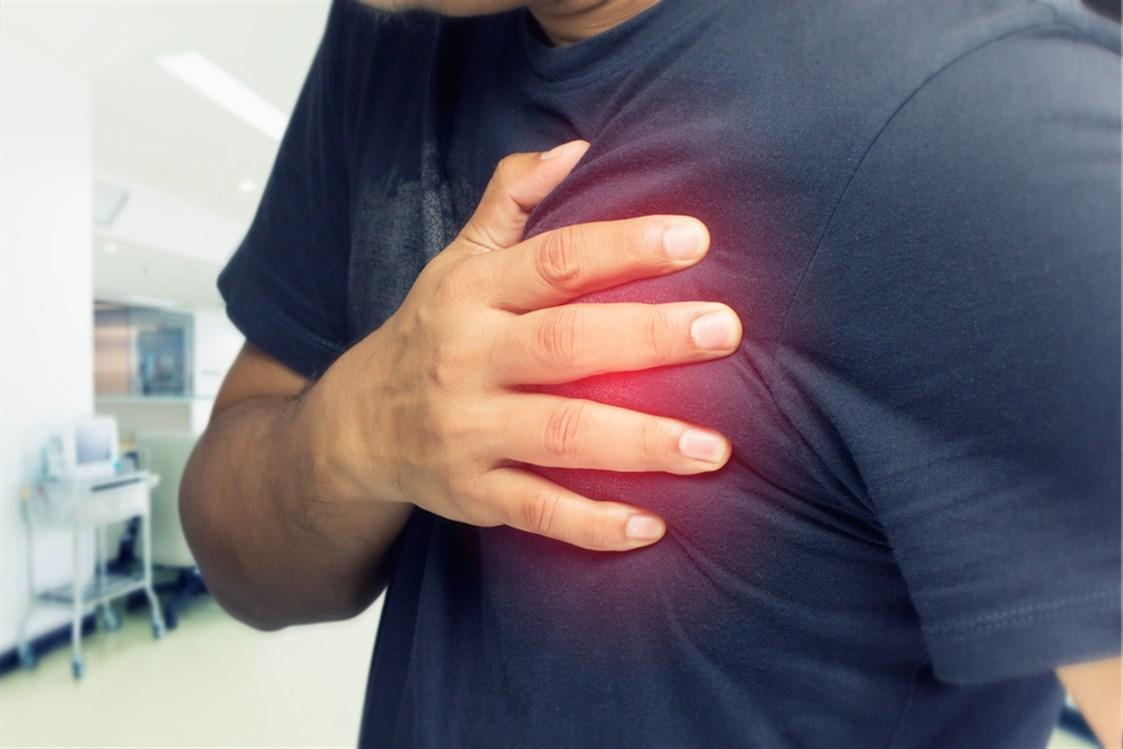
The difference between angina and heart attack is one of the most concerning topics for many people, as both conditions are associated with chest pain and may seem similar at first. However, there is a major difference in severity, cause, and treatment.
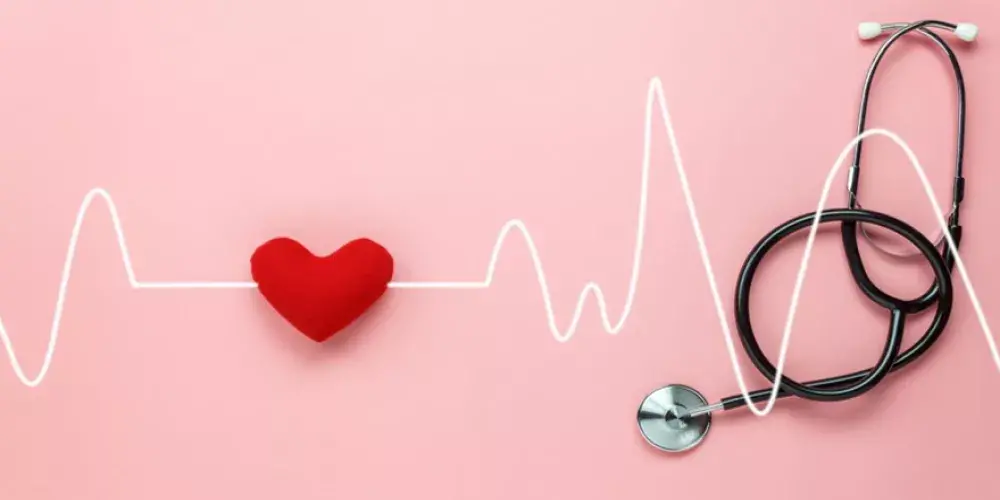
An ECG (Electrocardiogram) is one of the most important medical tests used to evaluate heart health and detect abnormalities in heart rhythm or heart muscle function.

Choosing the best diet for heart patients is one of the most important steps to maintain heart health and reduce the risk of complications such as heart attacks and high blood pressure. Diet does not only affect weight but also plays a major role in improving heart and blood vessel function.

Chest pain is one of the symptoms that immediately causes concern, as it may be associated with serious conditions like heart disease. However, not all chest pain is dangerous—it can sometimes result from simple causes such as muscle strain or digestive issues.