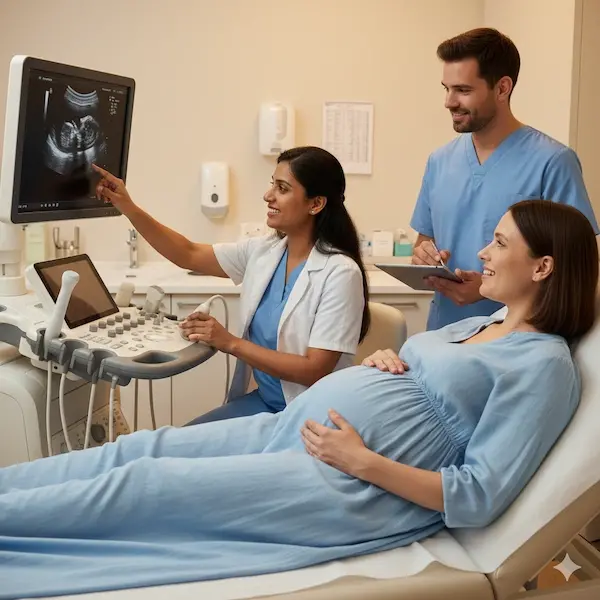
Early Pregnancy Signs | Key Symptoms That Reveal Pregnancy from the First Days
Early pregnancy signs are among the most searched topics by women, especially when the menstrual cycle is delayed and hormonal changes start to appear.
Early Pregnancy Signs | Key Symptoms That Reveal Pregnancy from the First Days
Introduction
Have you noticed unusual changes in your body and wondered: Are these early pregnancy signs or just pre-period symptoms?
Early pregnancy signs are among the most searched topics by women, especially when the menstrual cycle is delayed and hormonal changes start to appear.
In this article, you will learn everything about early pregnancy symptoms, how to distinguish them from period symptoms, and when to take a pregnancy test.
What Are Early Pregnancy Signs?
Early pregnancy signs refer to physical and emotional changes that occur due to increased pregnancy hormone (HCG) after the fertilized egg implants in the uterus.
Key characteristics of this stage:
- Usually begins 6–14 days after fertilization
- Varies from one woman to another
- May resemble pre-menstrual symptoms
Most Common Early Pregnancy Signs
1. Missed Period
One of the strongest early indicators of pregnancy, especially for women with regular cycles.
2. Fatigue and Tiredness
Due to increased progesterone levels, women may feel:
- Extreme tiredness
- Constant sleepiness
- Low energy levels
3. Morning Sickness
One of the most well-known early pregnancy symptoms:
- Nausea, especially in the morning
- Sometimes vomiting
- Starts from week 2 to 6 of pregnancy
4. Breast Changes
- Tenderness or pain
- Increased size
- Darker areolas
5. Frequent Urination
Hormonal changes increase blood flow to the kidneys, causing frequent urination.
6. Mood Swings
- Irritability
- Sudden crying
- Emotional instability
7. Light Spotting (Implantation Bleeding)
- Light pink or brown color
- Lasts 1–2 days
8. Bloating and Gas
Caused by slowed digestion due to hormonal changes.
Difference Between Pregnancy and Period Symptoms
- Pregnancy symptoms continue after missed period
- Period symptoms disappear once menstruation starts
- Nausea is more associated with pregnancy
- Pregnancy spotting is lighter than menstrual bleeding
When Do Early Pregnancy Signs Appear?
- 6–12 days after ovulation
- After missed period
- More noticeable after the first week of delay
When to Take a Pregnancy Test?
- Home test: 1–5 days after missed period
- Blood test (Beta HCG): more accurate and earlier detection
Important Tips If You Suspect Pregnancy
- Avoid taking medications without medical advice
- Start folic acid supplements
- Eat a healthy balanced diet
- Monitor symptoms calmly
- Consult a gynecologist
Frequently Asked Questions (FAQ)
Can early pregnancy signs appear before a missed period?
Yes, in some cases mild symptoms appear a few days before the expected period.
Do all women experience the same symptoms?
No, symptoms vary depending on hormonal balance and body condition.
Can pregnancy symptoms look like period symptoms?
Yes, especially in the early stage, which is why testing is important.
When are pregnancy symptoms strongest?
Usually after the 4th week of pregnancy.
Conclusion
Early pregnancy signs are important indicators but not a definitive proof of pregnancy. The most accurate way to confirm is through a pregnancy test or medical examination. If you notice multiple symptoms, consulting a doctor is highly recommended for proper care and confirmation.

Post-operative lymphatic drainage massage is a key step in recovery after cosmetic surgery. The number of sessions is not fixed and depends on each body condition. Dr. Ayman Essam in Nasr City explains how treatment plans are customized to reduce swelling and improve surgical results.
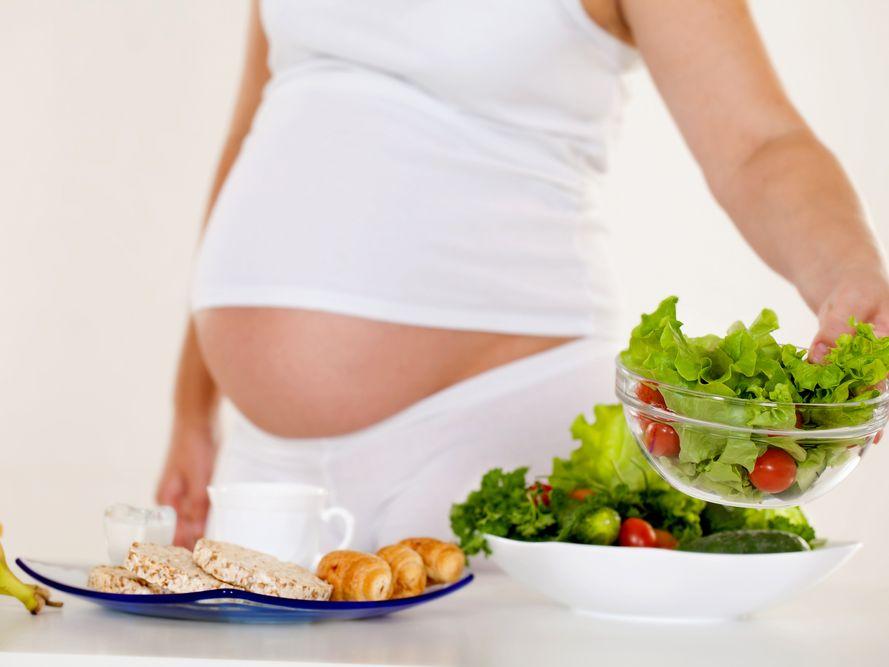
The best diet for pregnant women is one of the most important factors that directly affects the health of both the mother and the baby during pregnancy.
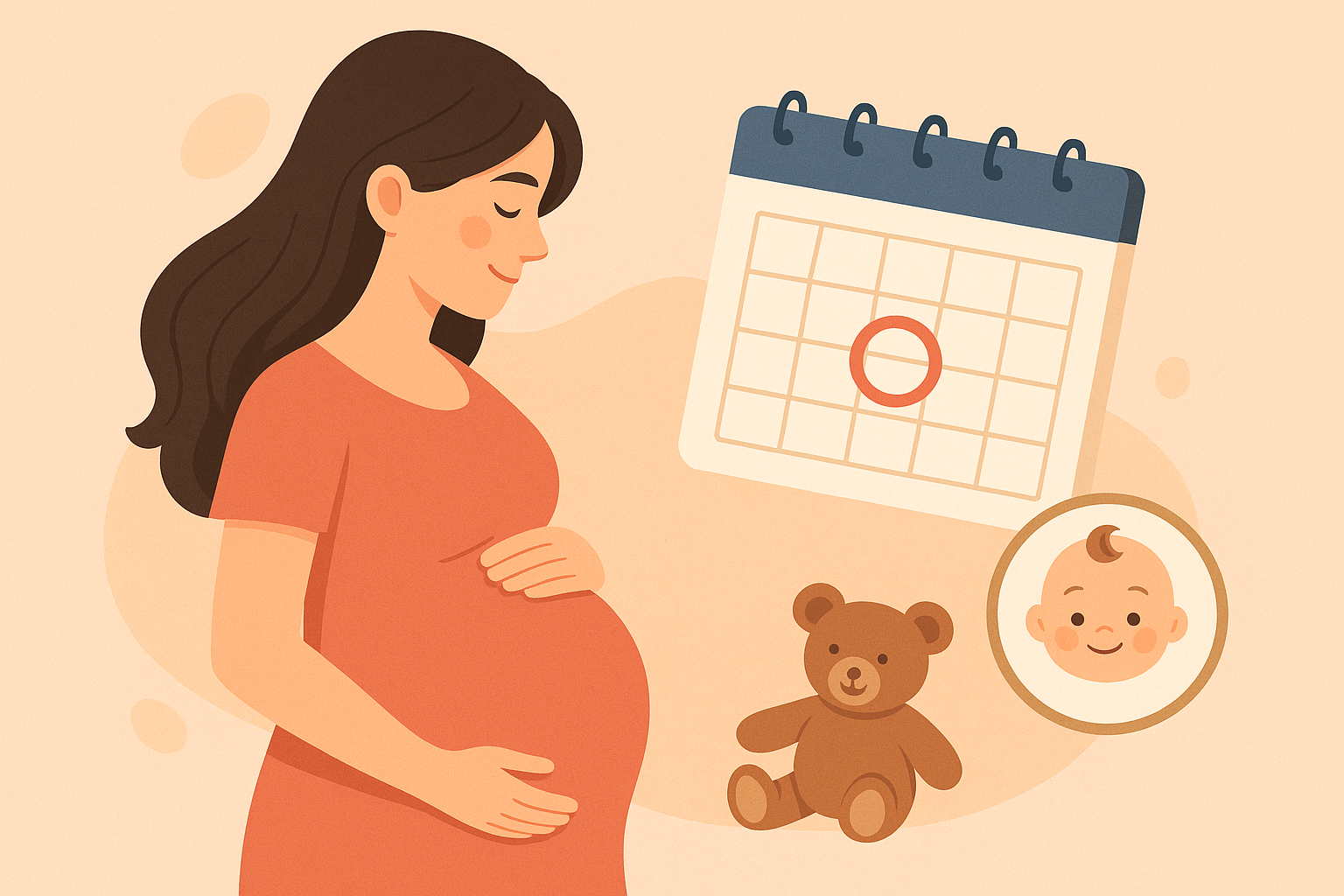
Calculating the due date is one of the most important concerns for pregnant women who want to know when they will meet their baby.

Many women experience a range of common pregnancy problems during pregnancy, which may be normal or require medical attention.