Causes of Rapid Heartbeat | When Is It Normal and When Does It Indicate a Problem?
Rapid heartbeat is one of the most common symptoms that causes concern for many people, especially when it occurs suddenly without obvious exertion. In many cases, it is a simple and temporary condition, but sometimes it may indicate a medical issue that needs evaluation. That is why many people search for the causes of rapid heartbeat to understand whether it is dangerous or not.
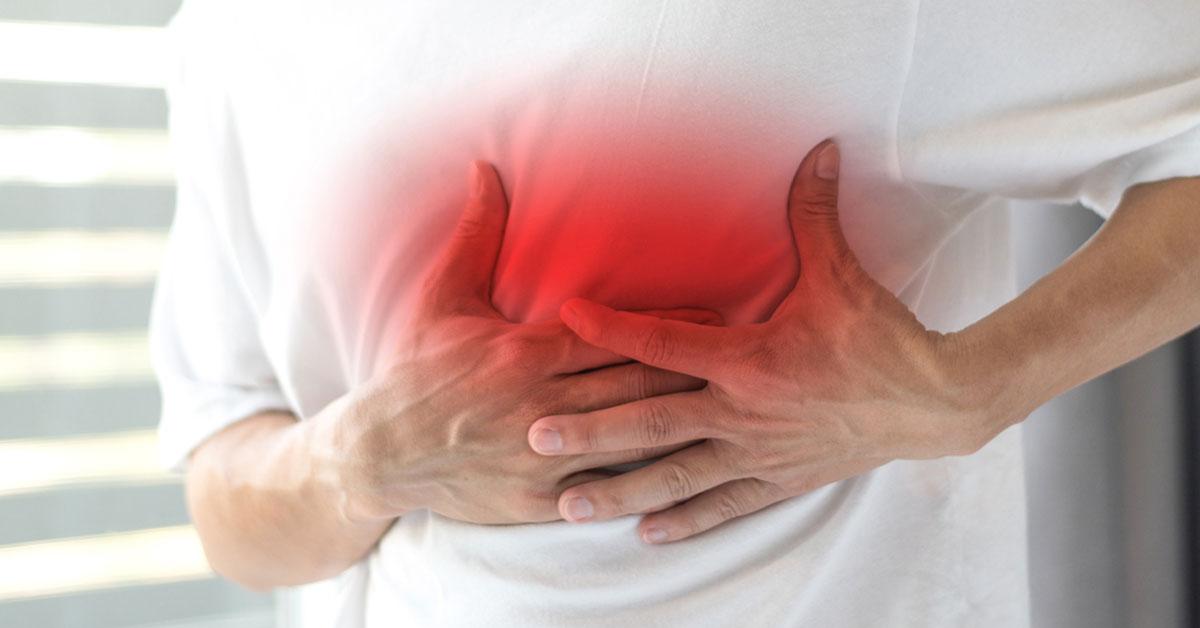
Causes of Rapid Heartbeat | When Is It Normal and When Does It Indicate a Problem?
Introduction
Rapid heartbeat is one of the most common symptoms that causes concern for many people, especially when it occurs suddenly without obvious exertion. In many cases, it is a simple and temporary condition, but sometimes it may indicate a medical issue that needs evaluation. That is why many people search for the causes of rapid heartbeat to understand whether it is dangerous or not.
What Is Rapid Heartbeat?
Rapid heartbeat (Tachycardia) is an increase in heart rate above the normal resting level, which is usually between 60 and 100 beats per minute in adults.
When the heart exceeds this rate consistently or suddenly, a person may feel noticeable palpitations or a “fluttering” sensation in the chest.
Causes of Rapid Heartbeat
1. Psychological Causes (Anxiety and Stress)
Anxiety is one of the most common causes of increased heart rate. During stress, the body releases hormones such as adrenaline, leading to a temporary increase in heart rate.
2. Physical Exertion
During exercise or physical activity, the body needs more oxygen, so the heart rate naturally increases.
3. Caffeine and Stimulants
Consuming large amounts of coffee or energy drinks can significantly increase heart rate.
4. Thyroid Disorders
An overactive thyroid gland may cause a rapid heartbeat even at rest.
5. Anemia (Iron Deficiency)
When hemoglobin levels are low, the heart works harder to supply oxygen to the body, leading to a faster heartbeat.
6. Dehydration and Electrolyte Imbalance
Lack of fluids or essential minerals in the body can affect heart rhythm.
7. Certain Medications
Some medications, such as cold or asthma drugs, may cause rapid heartbeat as a side effect.
When Is Rapid Heartbeat Dangerous?
You should seek medical attention if rapid heartbeat is accompanied by:
Chest pain
Severe dizziness or fainting
Shortness of breath
Persistent palpitations without a clear reason
Difference Between Normal and Abnormal Palpitations
Normal Palpitations:
Occur after exertion or stress
Disappear quickly
Are not associated with other symptoms
Abnormal Palpitations:
Occur without a clear reason
Last for a longer period
Happen repeatedly and cause discomfort
How to Reduce Rapid Heartbeat
Reduce stress and anxiety
Limit caffeine intake
Drink enough water
Get adequate sleep
Exercise regularly
Conclusion
The causes of rapid heartbeat are many, and most of them are harmless such as stress or physical activity. However, in some cases, it may indicate an underlying health condition that requires medical evaluation. Therefore, persistent or unusual symptoms should not be ignored.

Do you think your body contouring results depend only on the surgery itself? The truth is, recovery plays a critical role. In this article, Dr. Ayman Essam explains why lymphatic massage is not optional, but essential for reducing swelling, preventing complications, and achieving the best possible outcome.

Post-operative lymphatic drainage massage is a key step in recovery after cosmetic surgery. The number of sessions is not fixed and depends on each body condition. Dr. Ayman Essam in Nasr City explains how treatment plans are customized to reduce swelling and improve surgical results.

The best diet for pregnant women is one of the most important factors that directly affects the health of both the mother and the baby during pregnancy.
Calculating the due date is one of the most important concerns for pregnant women who want to know when they will meet their baby.